BusterzZ Towing & Recovery
Wheel Lift Towing.
Wheel-lift towing for suitable vehicles, with arrangements based on your vehicle’s condition and transport requirements.
Wheel Lift Towing in Garland, TX
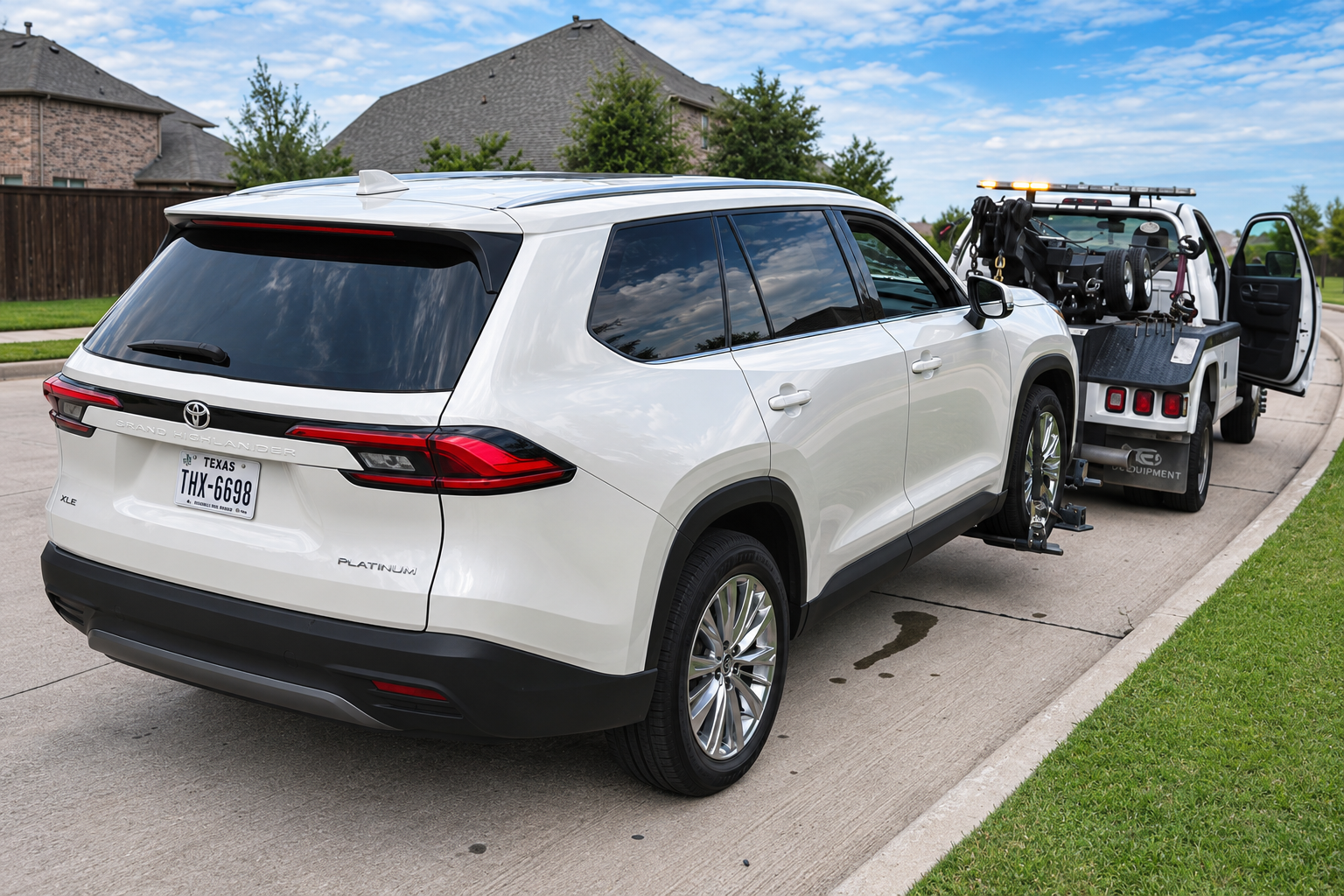
When a vehicle cannot continue driving, selecting the right towing method is an important part of arranging transportation. Wheel lift towing provides a practical solution for moving compatible vehicles by lifting either the front or rear wheels while the remaining wheels stay on the road. This method uses a specialized lifting mechanism attached to a tow truck, allowing the vehicle to be secured and transported without placing it entirely on a towing platform.
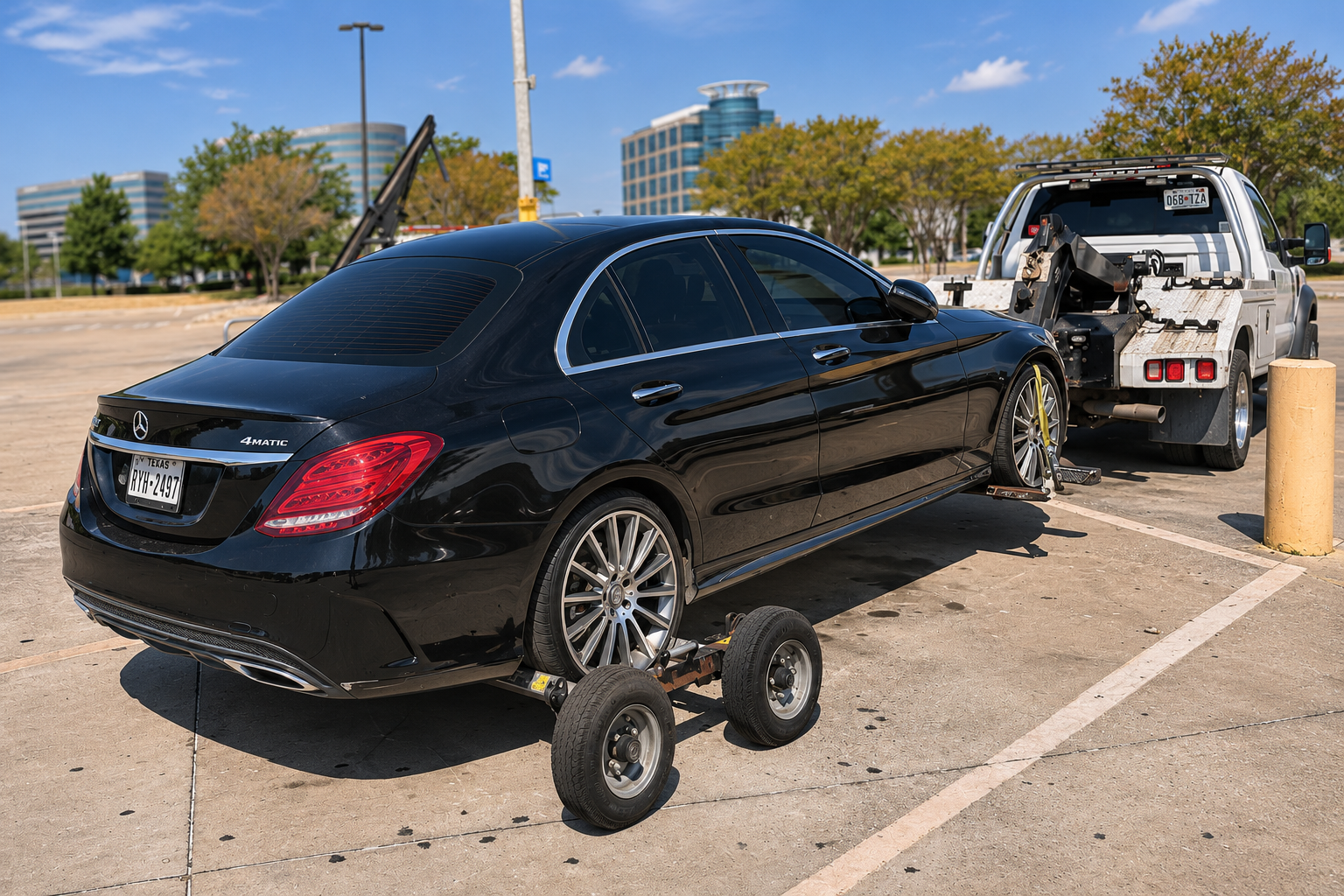
Busterzz Towing provides towing assistance in Garland, TX, for drivers who need to move vehicles following mechanical problems, unexpected breakdowns, or other transportation difficulties. Whether your car is parked outside your home, disabled near a busy intersection, or unable to continue along a major North Texas roadway, understanding the appropriate towing method helps make the next step easier.
How Does Wheel Lift Towing Work?
A wheel lift tow truck uses a metal lifting assembly, commonly called a wheel lift or underlift, to raise one end of a vehicle. The assembly is positioned beneath the appropriate part of the vehicle, and suitable lifting equipment secures the wheels before transportation begins.
Unlike flatbed towing, which carries the entire vehicle on a platform, wheel lift towing raises only one end. The other end remains supported by its wheels, subject to the vehicle's compatibility and towing requirements.
The general process involves several considerations:
- Vehicle Assessment: The vehicle's size, weight, drivetrain, ground clearance, and condition are evaluated.
- Equipment Positioning: The tow truck is positioned to provide suitable access to the vehicle.
- Wheel Lift Placement: The lifting assembly is placed at the appropriate end of the vehicle.
- Securement: Suitable straps and securing equipment are used to keep the vehicle properly connected.
- Transportation: The vehicle is transported to the agreed destination using an appropriate route.
The exact procedure varies according to the vehicle and its manufacturer-recommended towing requirements.
When Is Wheel Lift Towing a Suitable Option?
Not every disabled vehicle requires the same transportation arrangement. Wheel lift towing may be appropriate when the vehicle is compatible with this method and can be secured without creating unnecessary strain on its components.
Vehicles With Mechanical Problems
A vehicle experiencing engine trouble, transmission issues, or electrical failure may be unable to reach a repair facility independently. When the vehicle remains suitable for wheel lift transportation, this method can help move it to a mechanic or another designated location.
Vehicles in Restricted Parking Areas
Sometimes a disabled vehicle is positioned in a parking structure, narrow driveway, or confined parking space where maneuvering a larger flatbed truck may be difficult. A wheel lift truck may offer a more practical approach when access and vehicle conditions allow.
Vehicles Requiring Local Transportation
If your vehicle needs to be moved from one nearby location to another, wheel lift towing can be considered for compatible vehicles. This may include transportation from a residence to a repair shop or from a roadside location to a designated destination.
Certain Accident-Damaged Vehicles
Some vehicles involved in minor collisions may still be suitable for wheel lift towing, depending on their condition. However, damaged suspension, steering, wheels, or undercarriage components can make this method unsuitable. A proper assessment is necessary before loading.
Wheel Lift vs. Flatbed Towing: Which Method Should You Choose?
Both wheel lift and flatbed towing are used to transport disabled vehicles, but they work differently. Choosing between them depends on the vehicle's design, condition, and transportation requirements.
Consideration | Wheel Lift Towing | Flatbed Towing |
|---|---|---|
Vehicle support | One end is lifted | Entire vehicle rests on a platform |
Road contact | Remaining wheels stay on the road | All four wheels are off the road |
Vehicle compatibility | Suitable for compatible vehicles | Suitable for many vehicle types |
Loading method | Wheel lift assembly | Hydraulic tilting platform or loading system |
Common application | Compatible local towing situations | Certain damaged, low-clearance, or specialized vehicles |
A vehicle with all-wheel drive, specific transmission requirements, or significant accident damage may need flatbed transportation instead. Manufacturer recommendations and the vehicle's condition should always guide the decision.
Busterzz Towing also provides Light & Medium Duty Towing for different vehicle transportation requirements.
What Makes a Vehicle Suitable for Wheel Lift Transportation?
Before selecting this towing method, several vehicle-specific details should be considered.
Drivetrain Configuration: Front-wheel drive, rear-wheel drive, and all-wheel drive vehicles can have different towing requirements. The correct lifting arrangement must account for the manufacturer's instructions.
Vehicle Weight: The tow truck's rated lifting and towing capacity must be appropriate for the vehicle being transported.
Ground Clearance: Vehicles with low ground clearance, modified suspension, or aftermarket body components may require additional precautions during hookup.
Tire and Wheel Condition: Damaged or missing wheels can affect how a vehicle is secured and whether standard wheel lift equipment can be used.
Steering and Suspension: Significant damage to steering or suspension components may require another towing arrangement.
Vehicle Position: A vehicle parked close to other cars, against a curb, or in a restricted area may require careful positioning before loading.
Providing these details when requesting assistance helps determine whether wheel lift towing is appropriate.
Wheel Lift Towing Across Garland and Surrounding North Texas
Busterzz Towing serves Garland, TX, and nearby communities with an approximate 45-mile service radius. Requests from locations within an approximately two-hour driving range can also be considered depending on the route, traffic conditions, destination, and dispatch availability.
Our surrounding service communities include:
- Richardson
- Rowlett
- Mesquite
- Sachse
- Wylie
- Plano
- Murphy
- Rockwall
- Dallas
- Sunnyvale
- Forney
- Other nearby North Texas communities within our practical coverage range
Important Roads and Local Transportation Corridors
Garland's location within the Dallas metropolitan area provides access to several major highways and connecting roads. Drivers may need towing assistance while traveling along these routes or near their surrounding commercial and residential areas.
I-635 (LBJ Freeway): A major transportation route connecting Garland with Richardson, Mesquite, and other Dallas-area communities.
President George Bush Turnpike (SH 190): Connects northern Garland with surrounding areas, including Richardson, Plano, and Rowlett.
I-30: An important east-west highway serving the Dallas area and communities near Lake Ray Hubbard.
SH 78: Connects Garland with Sachse and Wylie through an important regional road corridor.
SH 66 (Lakeview Parkway): Provides access through Rowlett toward Rockwall.
We also consider local access around Downtown Garland, Firewheel Town Center, Curtis Culwell Center, and Lake Ray Hubbard when identifying vehicle pickup locations.
When requesting wheel lift towing, share your nearest road, highway exit, business, or intersection so the pickup location can be identified accurately.
Before You Request Wheel Lift Towing
A few details about your vehicle and its current position can help establish the right towing arrangement.
Have the following information available:
- Vehicle Identification: Make, model, and year.
- Vehicle Drivetrain: Front-wheel drive, rear-wheel drive, or all-wheel drive, if known.
- Current Condition: Explain whether the vehicle has mechanical failure, collision damage, or another issue.
- Pickup Position: Describe whether it is parked on a road, driveway, parking lot, or restricted space.
- Destination: Provide the address of the repair shop, residence, or other delivery location.
If the vehicle has damaged wheels, unusual modifications, or steering problems, mention those details before dispatch.
Frequently Asked Questions About Wheel Lift Towing
What is wheel lift towing?
Wheel lift towing is a vehicle transportation method that uses a specialized lifting mechanism to raise either the front or rear wheels of a vehicle. The remaining wheels stay on the road while the vehicle is secured and transported.
Is wheel lift towing safe for passenger cars?
It can be suitable for many passenger cars when the correct lifting method is selected and the vehicle meets the towing requirements. Drivetrain configuration, manufacturer recommendations, and vehicle condition must be considered.
Can an all-wheel drive vehicle be transported using a wheel lift tow truck?
Many all-wheel drive vehicles have specific transportation requirements and may need flatbed towing to avoid drivetrain damage. Always follow the manufacturer's towing instructions.
Is wheel lift towing different from flatbed towing?
Yes. Wheel lift towing raises one end of the vehicle while the other wheels remain on the road. Flatbed towing places the entire vehicle on a platform, keeping all four wheels off the ground during transportation.
Can a vehicle with a flat tire be transported using wheel lift towing?
It depends on the tire and wheel condition, vehicle design, and lifting arrangement. If a damaged wheel prevents proper securement, another towing method may be necessary.
Can wheel lift towing be used for accident-damaged vehicles?
It may be appropriate for certain vehicles with minor damage, provided their wheels, suspension, steering, and other components allow safe loading. More extensively damaged vehicles may require specialized accident recovery.
Does Busterzz Towing provide wheel lift towing outside Garland?
Busterzz Towing has an approximate 45-mile service radius around Garland, TX. Requests within an approximately two-hour driving range can also be considered based on distance, traffic, destination, and availability.
What information should I provide when requesting wheel lift towing?
Provide your vehicle's make and model, current location, drivetrain if known, condition, and destination. Mention any damaged wheels, suspension problems, or restricted access so the appropriate towing equipment can be considered.
Need Wheel Lift Towing in Garland, TX?
A disabled vehicle does not always require the same towing arrangement. Choosing an appropriate method based on vehicle design, drivetrain, and condition helps make transportation more manageable.
Busterzz Towing helps drivers in Garland and surrounding North Texas communities arrange suitable towing solutions for their vehicles. If you need wheel lift towing, share your vehicle details, pickup location, and destination to discuss the available transportation options.
Explore More Towing Services:
- Light & Medium Duty Towing
- Winch Outs
- 24/7 Towing
- Accident Recovery
- Local & Long-Distance Towing